The role of medical endoscope cameras
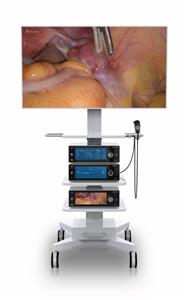
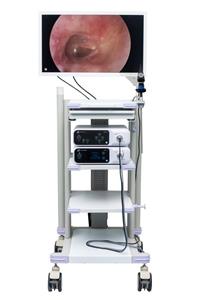
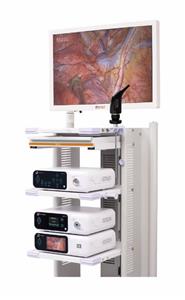
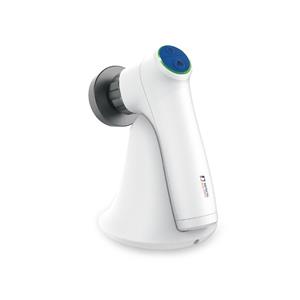
The medical endoscope camera is the core component of an endoscope system.
Its primary function is to transmit real-time, high-definition images of internal cavities or spaces of the human body to an external monitor, providing doctors with direct visual diagnostic and surgical guidance.
It greatly expands the doctor's field of vision, enabling minimally invasive and precise diagnosis and treatment.
Its specific functions are reflected in the following aspects:
I. Diagnostic Role (Visible and Clear)
* Direct Observation of Lesions: Without open surgery, the mucosal surfaces and tissue structures of internal organs (such as the digestive tract, respiratory tract, urinary tract, abdominal cavity, joint cavity, etc.) can be directly observed.
* Detection of Early Lesions: High-definition, magnified, and even narrow-band light imaging (NBI) technologies can detect early inflammation, polyps, erosions, micro-tumors, or vascular abnormalities that are difficult to detect with the naked eye.
* Precise Localization: Clearly defining the location, extent, size, shape, and nature of lesions (such as whether there is bleeding, ulceration, or protrusion) is the gold standard for diagnosing many diseases.